
Monitoring
Services
Independent monitoring, evaluation and research for the hardest contexts.
SREO specializes in third-party monitoring, evaluation and research in hard-to-reach areas, delivered by integrated teams of international specialists and directly contracted, trained local field teams.
Evaluation & assessment
Measure change credibly
Research & analysis
Understand the context

What we do
Qualitative and quantitative evidence, from first assessment to final evaluation.
Most of our portfolio is third-party monitoring, intervention-level and strategic evaluations, and thematic research. Engagements range from short-term projects to multi-year long-term agreements (LTAs).
01 / Service
Needs Assessments & Baseline Studies
Start every intervention from the ground truth.
Establish what people need, where, and a credible starting point against which change can be measured.
Discuss this service
When you need this
- You are designing a new programme or scaling an existing one and need evidence to prioritize sectors and locations.
- A donor requires baseline values before implementation starts.
- Access is limited and you need a partner with field teams already in place.
What we deliver
- Multi-sector or sector-specific needs assessment report
- Baseline values for every logframe indicator
- Sampling frame and methodology note
- Cleaned datasets with codebook
- Geographic and demographic breakdowns
- Findings presentation for your team and donor
Also offered
- Raw data collection and translation
How we do it
4 steps
- 01Scope
Agree indicators, sampling and locations with your team.
- 02Train and pilot
Local enumerators are trained on the tools and every tool is piloted in context.
- 03Collect
Household surveys, key informant interviews and focus groups, with daily quality checks.
- 04Analyze and report
Triangulated findings and practical recommendations, written to donor standards.
Example engagement
Expertise France, Iraq
Needs assessment for the Yanhad project - Promoting Civic Engagement, Employment and Entrepreneurship for Youth in Iraq
- Client
- Expertise France
- Country
- Iraq
- Years
- 2020–2021
- Funded by
- French Ministry of Foreign Affairs
From SREO’s capacity statement, March 2026
02 / Service
On-site Monitoring & Verification
Independent eyes on delivery, where you can't be.
Confirm that activities, infrastructure and distributions exist and meet standards, through direct field observation by trained local monitors.
Discuss this service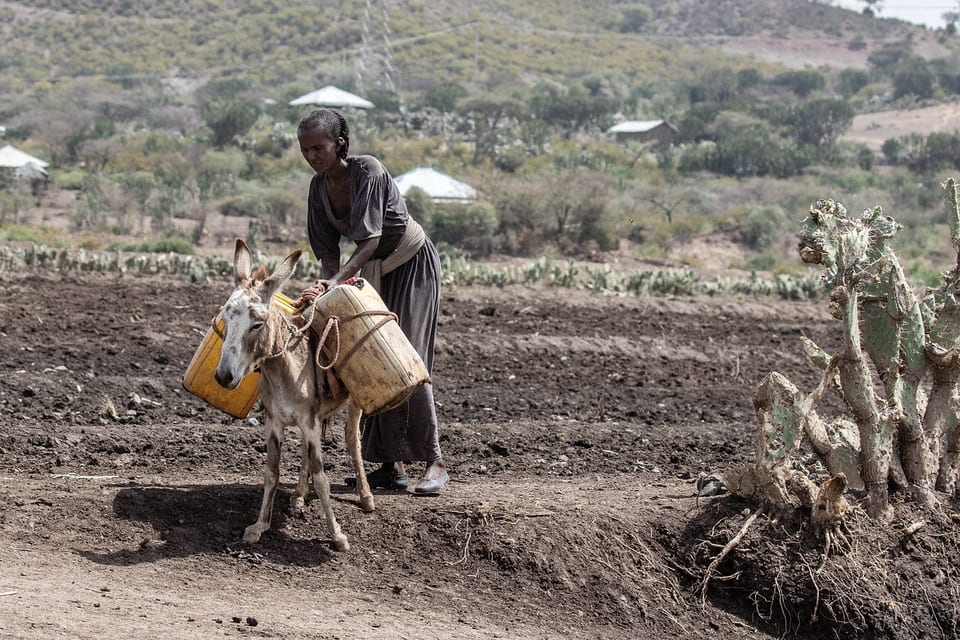
When you need this
- Partners deliver in areas your staff cannot visit.
- A donor requires independent third-party verification of results.
- You need to confirm that reported outputs match what is on the ground.
What we deliver
- Site visit reports with geotagged photographs
- Verification of beneficiary lists and distribution records
- Checklists scored against agreed standards
- Real-time flags for incidents and deviations
- Monthly or quarterly monitoring summaries
- Follow-up recommendations for implementing partners
How we do it
4 steps
- 01Protocol
Agree the verification protocol, sampling and turnaround with you.
- 02Deploy
Trained local monitors with community acceptance.
- 03Observe
Visit, photograph and interview on site against the checklist.
- 04Report
Findings within the agreed window, with issues escalated immediately.
Example engagement
World Bank Group, Ethiopia
Third Party Monitoring Agent to the Ethiopia Program for Results (Hybrid) for Strengthening Primary Health Care Services Program (SPHCSP) and the Sustainable Development Goals Performance Fund (SDG-PF)
- Client
- World Bank Group
- Country
- Ethiopia
- Years
- 2025–2026
From SREO’s capacity statement, March 2026
03 / Service
Post-distribution & Activity Monitoring
Confirm assistance reached the right people, the right way.
Understand what recipients received, how they used it and how they experienced the process, in time to improve the next round.
Discuss this service
When you need this
- After cash, voucher or in-kind distributions.
- For recurring activity cycles where each round should improve on the last.
- To meet accountability-to-affected-population commitments with real feedback.
What we deliver
- Survey results on receipt, use, timeliness and satisfaction
- Market price observations where relevant
- Log of protection and feedback issues raised
- Round-by-round trend tracking
- Recommendations for the next cycle
- Dashboards or summaries for programme teams
How we do it
4 steps
- 01Sample
Recipients are sampled from distribution lists to a defined confidence level.
- 02Interview
In person or by phone within an agreed window after distribution.
- 03Check
Diversion, quality, timeliness and satisfaction are assessed against the plan.
- 04Report
A round report with trends and actions for the next distribution.
Example engagement
UNICEF, Iraq
Programme Monitoring through Beneficiary Voices, Provision of critical WASH services for IDPs in Jed’ah Camps
- Client
- UNICEF
- Country
- Iraq
- Years
- 2019
From SREO’s capacity statement, March 2026
04 / Service
Intervention-level & Strategic Evaluations
Know what worked, what didn't, and why.
Mid-term, final and strategic evaluations against OECD-DAC criteria, designed to be used, not filed.
Discuss this service
When you need this
- A mid-term or final evaluation is due under your grant agreement.
- A donor requires assessment against relevance, coherence, effectiveness, efficiency, impact and sustainability.
- You are reviewing a strategy or portfolio and need independent evidence to decide what comes next.
What we deliver
- Inception report with evaluation matrix
- Mixed-methods evidence base
- Findings, conclusions and recommendations
- Learning brief for programme teams
- Validation workshop with stakeholders
- Support to the management response
How we do it
4 steps
- 01Inception
Evaluation questions, matrix and methods agreed with you and the donor.
- 02Evidence
Desk review and field data collection across sites and stakeholder groups.
- 03Analysis
Findings triangulated and validated with stakeholders before they are final.
- 04Use
A final report and learning products written for decisions, not shelves.
Example engagement
WFP/UNICEF, Somalia
Evaluation of Joint Resilience Programme in South-Central Somalia
- Client
- WFP/UNICEF
- Country
- Somalia
- Years
- 2023
- Funded by
- BMZ & KfW
From SREO’s capacity statement, March 2026
Read the published report05 / Service
Perception & Atmospheric Studies
Hear what communities actually think.
Representative surveys, opinion polling and qualitative research on trust, sentiment and priorities, tracked over time.
Discuss this service
When you need this
- You need to understand trust in institutions, services or your own programme.
- You want to measure public opinion or community sentiment and track how it changes.
- Stabilization, governance, peacebuilding or communication strategies need a community evidence base.
What we deliver
- Representative surveys and opinion polls
- Qualitative deep dives with key groups
- Sentiment and trend analysis over rounds
- Segment profiles by location and group
- Briefings for decision-makers
- Datasets with full documentation
Thematic studies
- Migration
- Governance and peacebuilding
- Conflict management
- Civil-military humanitarian
How we do it
4 steps
- 01Design
Questions are drafted with you and validated locally for meaning and sensitivity.
- 02Sample
Sampling designed for representativeness within access constraints.
- 03Collect
In person or remotely, with back-checks on a share of interviews.
- 04Brief
Clear analysis and a briefing tailored to how the results will be used.
Example engagement
IFES, Iraq
Conducting a Pre-election Public Opinion Survey in Iraq
- Client
- IFES
- Country
- Iraq
- Years
- 2021–2022
- Funded by
- USAID
From SREO’s capacity statement, March 2026
06 / Service
Market, Value Chain & Conflict Analysis
Understand the systems your programme operates in.
Market functionality, value-chain constraints and conflict dynamics, analyzed so that programme design fits the reality on the ground.
Discuss this service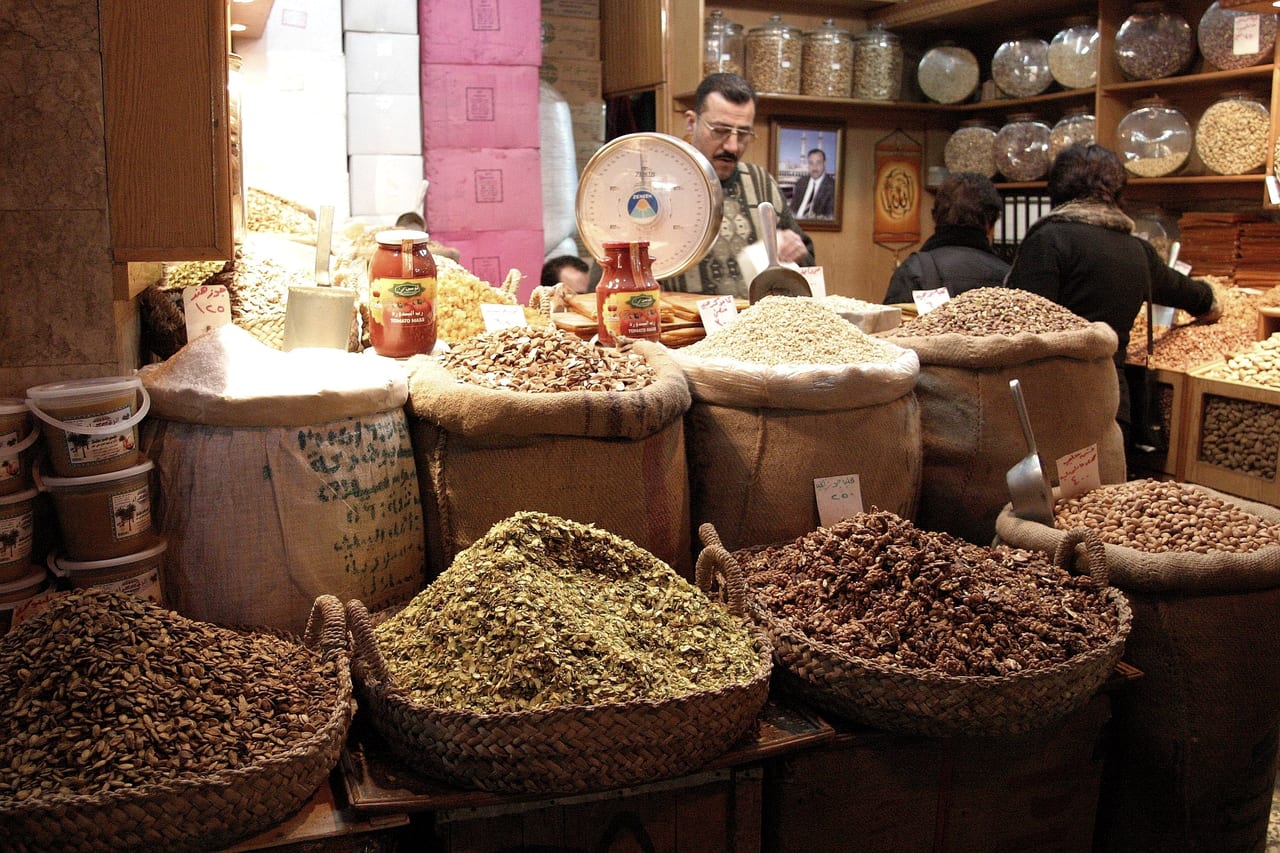
When you need this
- You are designing cash, voucher or livelihoods interventions.
- A shock has disrupted markets and you need to know what still functions.
- You need a conflict-sensitivity or do-no-harm analysis before or during an intervention.
What we deliver
- Market functionality and price analysis
- Value-chain maps with constraints and opportunities
- Conflict actor and dynamics analysis
- Conflict-sensitivity and risk notes
- Scenario considerations for programme design
- Recommendations for adaptation
Conflict analyses
- Conflict sensitivity assessments
- Conflict management analyses
- Social cohesion and stability assessments
How we do it
4 steps
- 01Frame
Define the decisions the analysis must inform.
- 02Interview
Traders, producers, service providers and key informants across the system.
- 03Map
Systems, actors and dynamics mapped and cross-checked with secondary data.
- 04Recommend
Practical design adaptations and risks to monitor.
Example engagement
IOM, Libya
Conflict Sensitivity Assessment in Sabha and Benghazi
- Client
- IOM
- Country
- Libya
- Years
- 2024–2025
- Funded by
- EU
From SREO’s capacity statement, March 2026
Methods & tools
The right method
for the question.
Every assignment combines methods to fit the question, the context and the access available. These are the tools we reach for most.
Household surveys
Probability sampling and mobile data collection for representative quantitative evidence.
Key informant interviews
Structured conversations with officials, service providers and community leaders.
Focus group discussions
Facilitated sessions that surface norms, priorities and disagreement within communities.
Direct observation
Site visits with checklists and geotagged photographs against agreed standards.
Remote and phone-based monitoring
Call-based surveys and interviews where physical access is restricted or unsafe.
Secondary data review
Programme records, distribution lists and public datasets, triangulated with primary data.
Mapping and geodata
Location-tagged data and mapping to show where conditions differ and why.
Data quality assurance
Back-checks, spot checks and daily review before any analysis begins.
Quality assurance
Rigor is built in,
not added at the end.
Six controls run on every assignment, so the evidence we hand over can stand up to scrutiny from your team, your donor and the communities it describes.
- 01
Select and train
Enumerators are recruited locally, trained on the tools and tested before deployment.
- 02
Pilot and refine
Every tool is piloted in context and adjusted before full data collection starts.
- 03
Check daily
Supervisors review incoming data each day for completeness, logic and interview duration.
- 04
Back-check and spot-check
A sample of interviews is re-contacted or re-observed to confirm accuracy.
- 05
Clean and triangulate
Data is cleaned against a documented protocol and compared across sources.
- 06
Review and report
Findings are peer-reviewed and written to donor reporting standards.
Contact us
Tell us the question. We'll design the evidence.
One email is enough to start. Share the context, the timeline and what the findings need to support, and we will come back to you.